When I was a young girl, as I began forming friendships, I believed, without question, that those bonds would last a lifetime. I imagined these friends standing beside me through every milestone: weddings yet to come, children growing up together, husbands becoming friends as well. There were one or two who knew my deepest secrets, and I knew theirs. They knew me at the very beginning, when we were young, hopeful, and just at the beginning of everything. However, by the end of high school, life began to shift. Some went off to college; others chose different paths. Gradually, and almost without noticing, we grew apart. Over time, I was left with only one or two childhood friends.
As I entered my twenties, new friendships emerged, people whose interests mirrored my own at that stage of life. Some of those friendships carried into my thirties, forties, and even my fifties. Of course, I was no longer the same person at forty that I had been at eight or even eighteen. That is the natural rhythm of life: evolution, growth, wisdom gained through experience. We develop insight, resilience, and life skills shaped by everything we’ve lived through. Along the way, we encounter both joy and challenge. And sometimes, the people who have known us the longest continue to see us as we once were, not as who we have become. They may reference past versions of us, old stories, old behaviors, long after we’ve outgrown them. They may relate to us in ways that feel familiar to them but no longer resonate with us. Eventually, there may come a moment when you decide not to include your childhood friends in spaces you now share with new people, simply because the shared experiences and interests are no longer there. I remember a time, long ago, when a dear friend decided to disconnect from her current group of chums. The friends she left behind felt badly and were all confused as to why the sudden shift. They were hurt and didn’t get it. Then they heard that she was hanging with a different group of women whom she felt were more interesting, had more social connections ( and opportunities to meet men) and were a bit more upscale. While her old group were mainly busy moms with hectic professional lives that no longer mirrored her own, this new clique met her changing social needs and personal desires at that time. When I would think about that situation years hence I understood where she was coming from and why she felt the need to embark on a different path. As she evolved she had needs that were not being met by her former friends, whom she had simply outgrown, and gravitated to folks who mirrored the person she was becoming, and that was ok.
Then life delivers its most profound turning points. When you lose a spouse, as I did, you enter a season of transformation unlike any other. The people who believe they know you best may not recognize the depth of change taking place within you. Because of the longevity of those relationships, they may feel entitled—licensed, even—to speak in ways that are deeply insensitive. “Why are you still wearing your wedding rings?” someone asked me just six months after my husband died-because I’m still married, I thought, while navigating my widow fog. “Well, God gave you a shot,” another said, and after a year, I heard, “You’re still thinking about that?”—meaning my husband, my loss. These words were not spoken by strangers. They came from friends who had known me the longest, who believed they knew me best. In time, I realized that as I changed, we had become strangers to one another. They were holding onto a version of me I had released long ago. I could no longer take advice from people who did not know the woman I was becoming, especially as grief reshaped me in ways I could not yet fully understand.

As I formed new connections, I found myself among people who met me where I was at that present moment in time. They knew nothing of my past except that I was a woman who had lost her husband and was learning how to move forward. Their understanding of me was rooted in the present, not in memory. As we age, friendships naturally evolve—not because of how long we’ve known one another, but because of the depth of the bond that can be formed. Time, in this season of life, feels more precious. We are no longer building friendships with the luxury of endless tomorrows, and that awareness changes everything. What gives a friendship its value is no longer longevity, but presence. It’s the quality of the moments shared, the honesty exchanged, the safety felt, and the way two people show up for one another. In this way, a friendship can reach the depth of one that took years to build—sometimes in a surprisingly short span of time. There is a quiet beauty in this kind of connection. It reminds us that strong bonds are not measured in decades, but in meaning. And when the connection is real, time simply becomes the backdrop—not the proof—of friendship. In this new beginning, I was welcomed by women who saw me clearly—without expectation, without judgement.There were no rules about how I should grieve or timelines I should follow. There was only a new normal, free from old narratives and assumptions.
When you lose a spouse, it’s important to know that some of the friends you once relied on may not understand the turbulence unfolding within you. They may not recognize that a quiet revolution is taking place—one that will eventually reveal a new version of you. We must learn to protect our peace and honor our need for space as we navigate life without our partner. And along the way, we must remain open to new friendships—connections that embrace who we are and who we are becoming. Sometimes one carries old grievances that the other person isn’t aware of, and in those cases you must decide if the friendship is worth bringing it up, letting it go, or just moving on. When old friendships begin to feel heavy or painful, it is okay to step back, take a fresh look at your life and ask yourself whether you wish to remain tethered to the past, or move forward with people who see you, value you, and are willing to walk beside you into your next chapter.
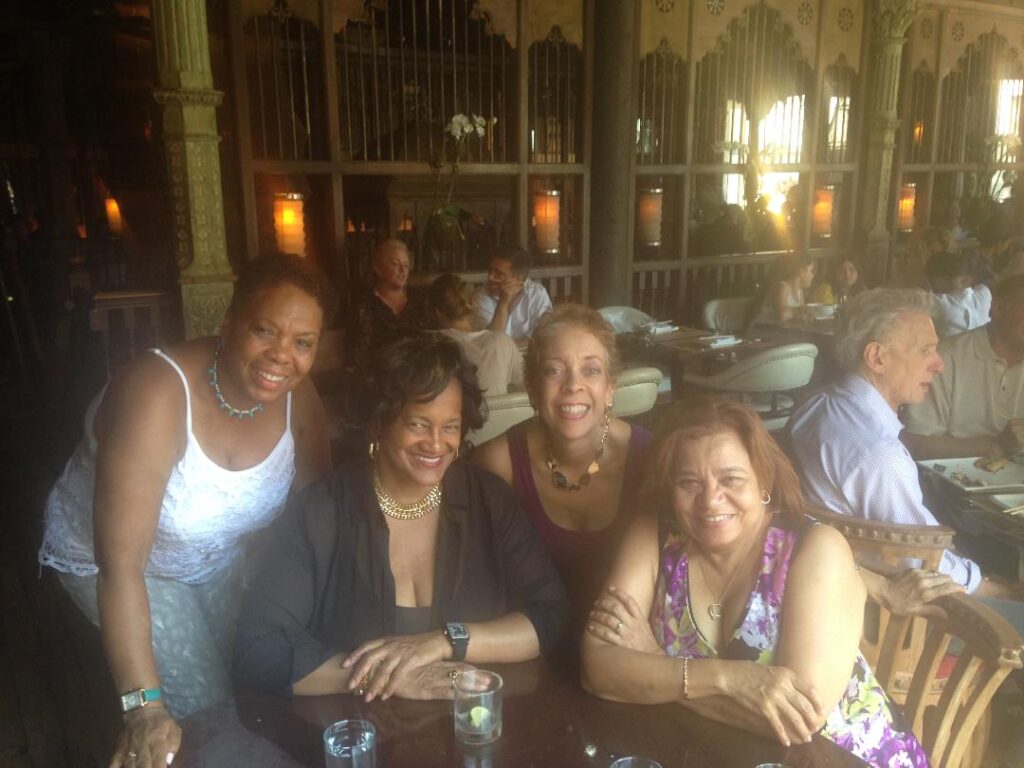
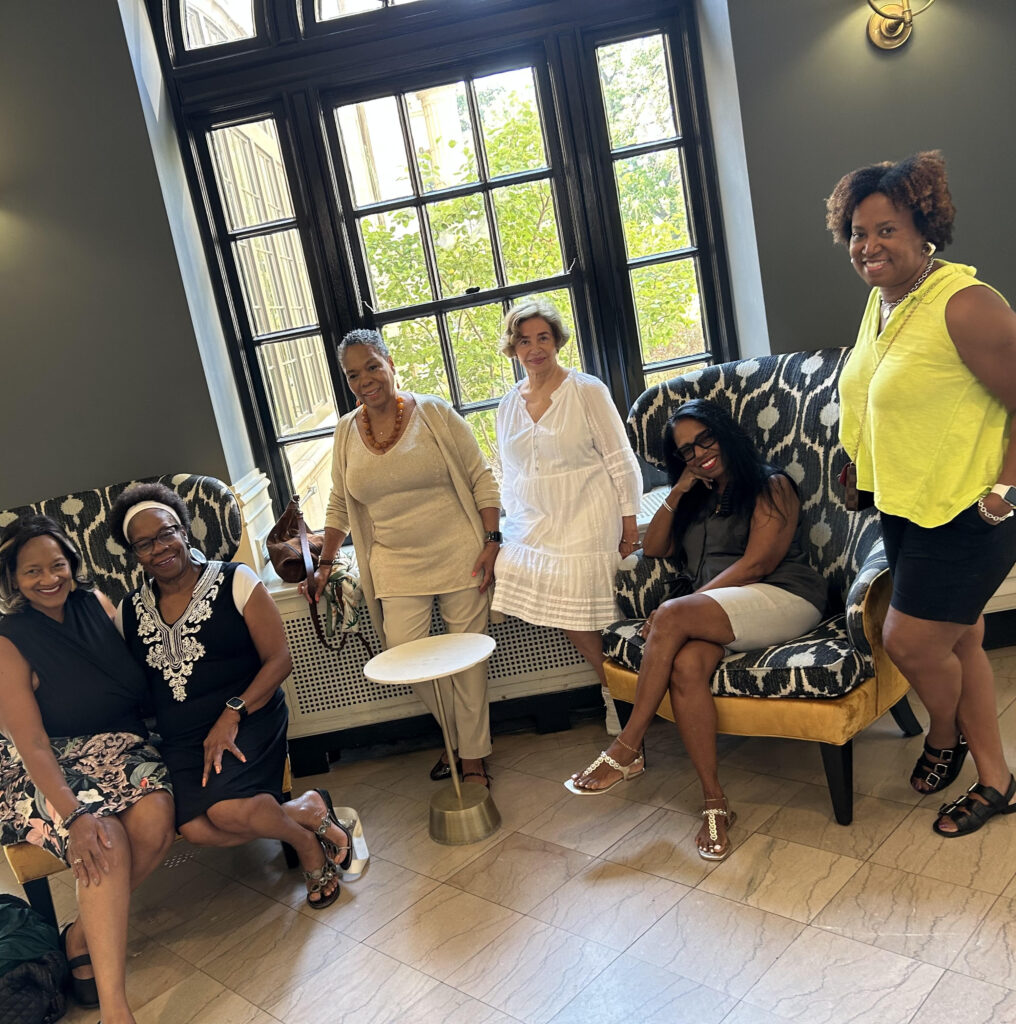
Author’s note: The featured photo accompanying this post reflects friendships of varying lengths and seasons. The woman standing to the right, first connected with me on Instagram as a fellow widow. What began as a simple online exchange has grown into a meaningful friendship, and we are now collaborating on projects close to our hearts. The woman next to her has been part of my life for over a decade. The two women standing at either end have known me for more than 50 years — friendships rooted in young adulthood and strengthened by time. The woman seated beside me has a different story. We first met over the phone when she was a customer service representative assisting me with a business matter. We stayed in touch through social media, and over the years our connection deepened. Unexpectedly, life would later place her on the widow’s path as well. In this photo, we were meeting in person for the very first time in Chicago, after six years of communication and shared experience. This image is a reminder that time alone does not define a meaningful friendship. It is the quality of the bond — the presence, the sincerity, the shared understanding — that truly connects two people.
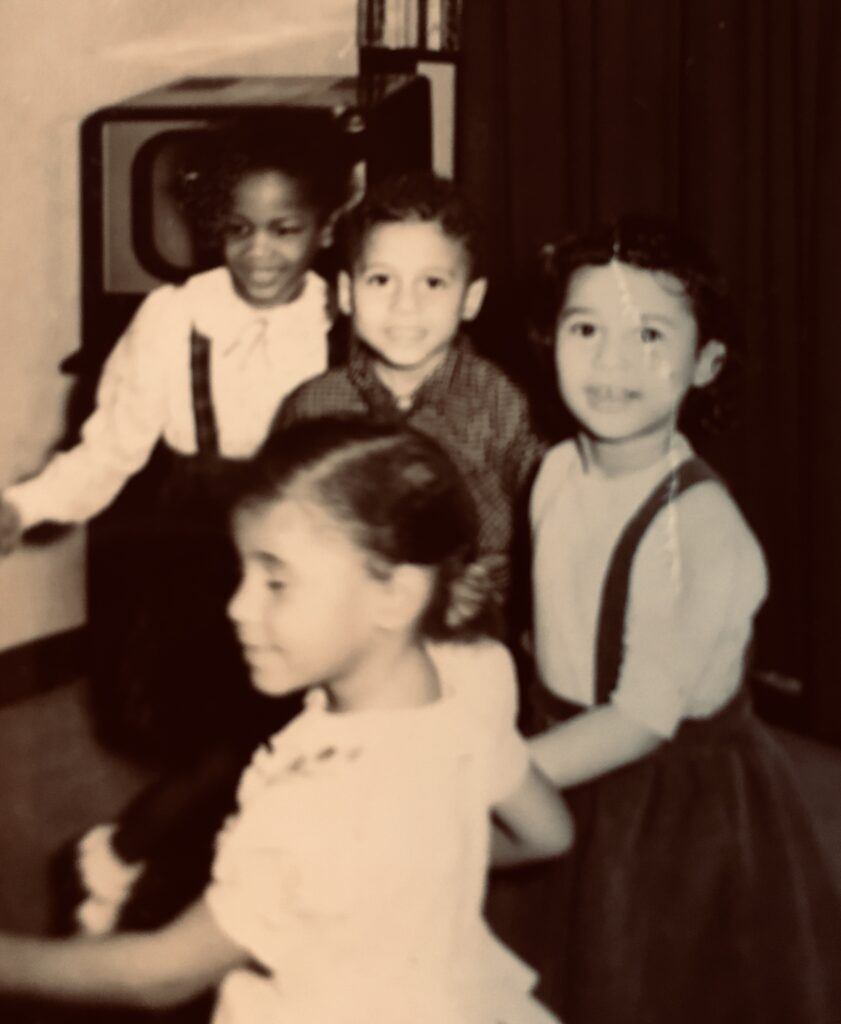
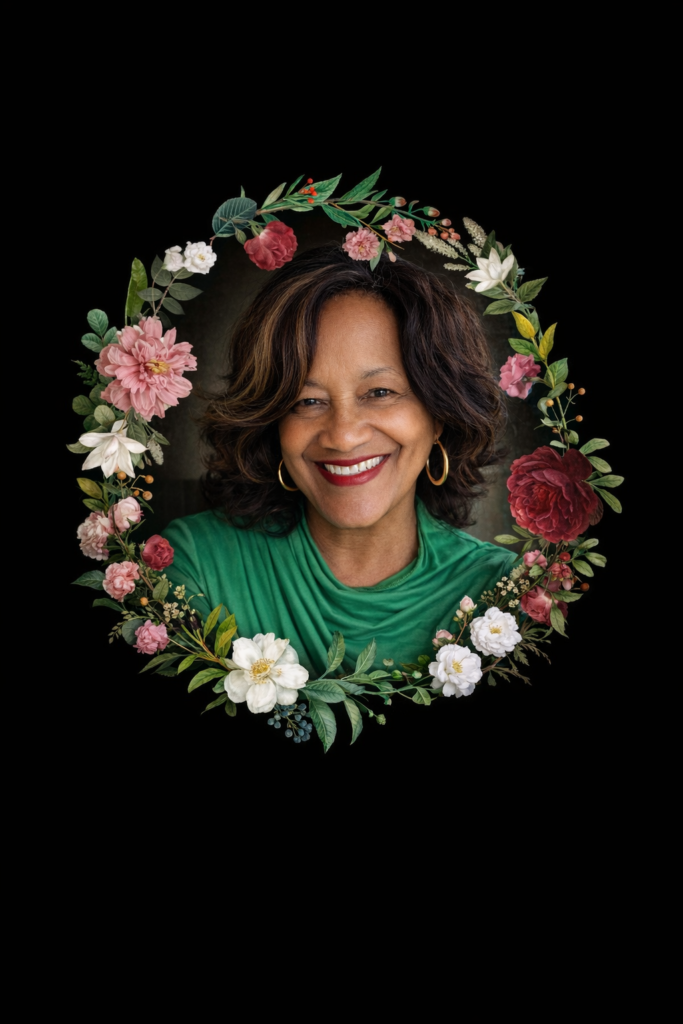
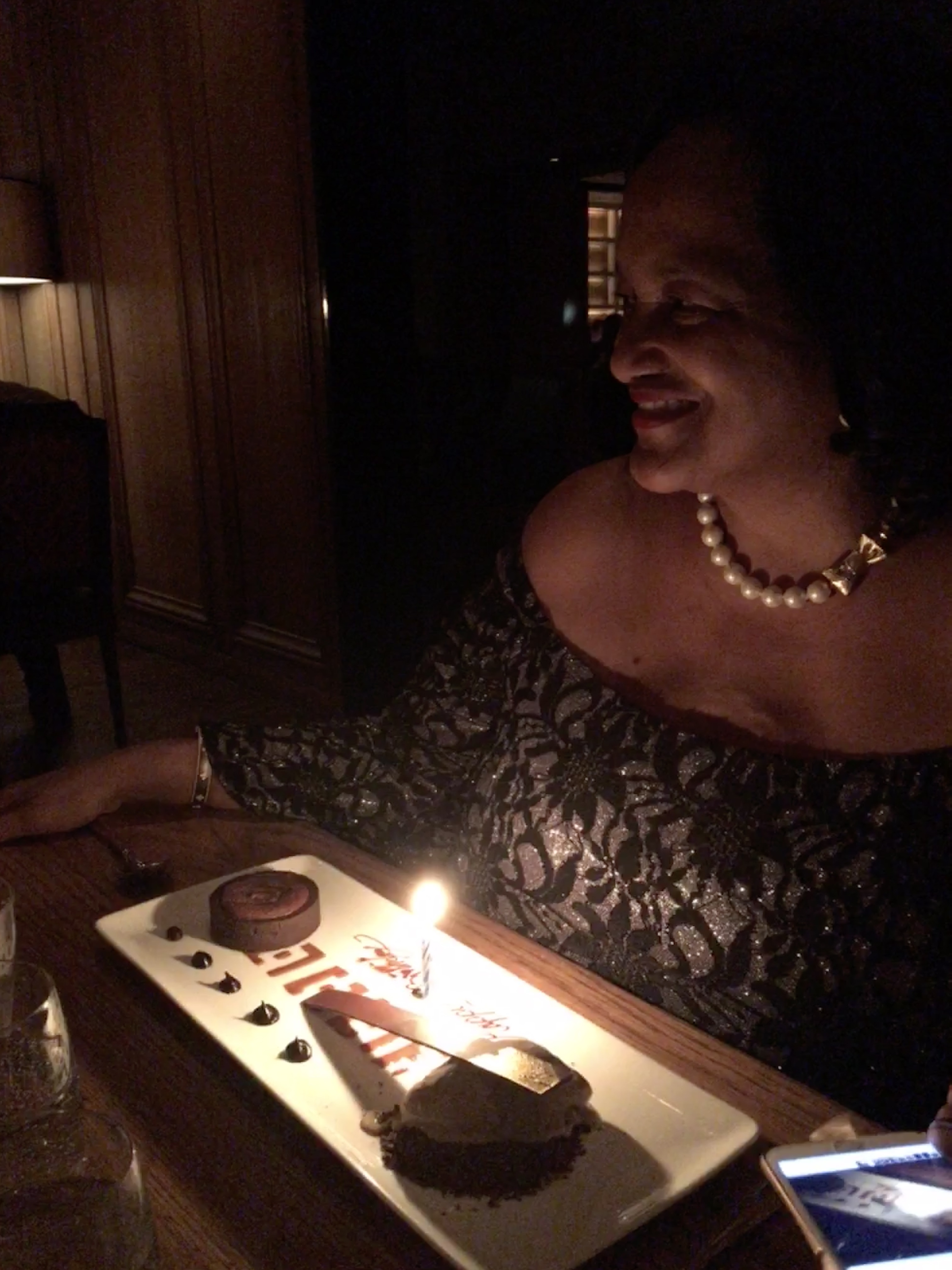
The last picture is of friends old and not so new who have weathered the highs and lows of life with me and I with them.
You can follow me on Instagram https://www.instagram.com/thebloomingwidow/
You can like my Author’s page: https://www.facebook.com/YvonneBroadyAuthor/
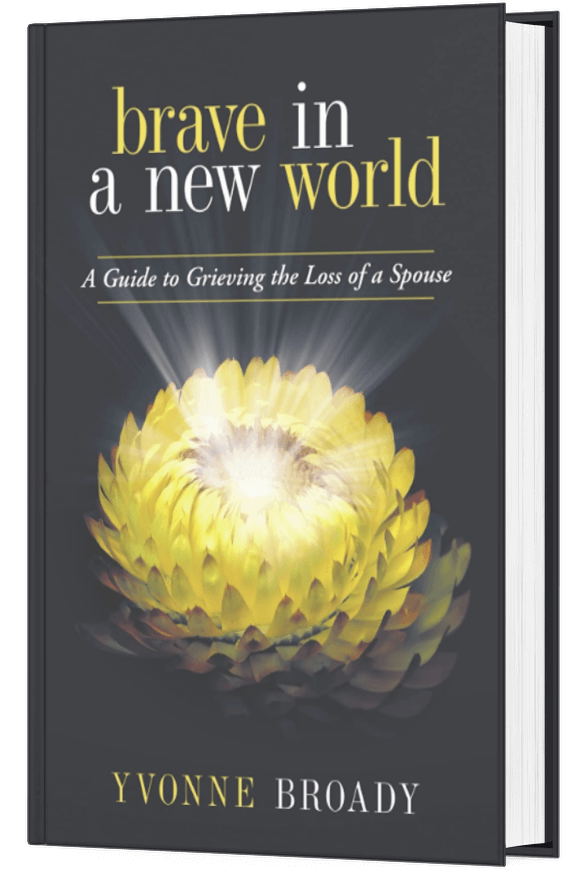
You can purchase my book Brave in a New World: A Guide to Grieving the Loss of a Spouse on Amazon https://tinyurl.com/3s2d854z











2 Responses
Yvonne,this is a wonderful piece filled with insight, knowledge birthed from a life of reflecting, and personal growth that comes from life’s amazing journey. Thanks for sharing. Warm regards Harold
Yvonne,
This post is lovely! I could totally relate and throughout, I thought this essay talked to me regarding both old and new friendships.